
How to reduce food waste to ease pressure on land and climate
Climate Change - Food Crisis
Feeding the world and protecting the planet seem like two different goals. But they’re not. If we don’t take care of nature, we won’t be able to grow food in the future. And if we don’t improve the way we grow and eat food, the damage to our environment will only get worse.
This isn’t just about the future. Even today, our food systems are failing many people. Some go hungry, while others face health problems from eating too much of the wrong food. Meanwhile, the way we grow food is causing deforestation, polluting water, and reducing biodiversity.
So how can we fix it?
Let’s look at the problem step by step, and what each of us can do about it.
The Land Problem: Farming Takes Up Too Much Space
oday, farming covers about 40% of the world’s land. To make space for agriculture, forests are cleared, wetlands are drained, and natural habitats are lost. This destroys the homes of many species and releases carbon into the air, making climate change worse.
We can’t keep clearing more land. If we do, we’ll lose even more biodiversity, and the damage to ecosystems will be very hard to undo. But here’s the good news, we don’t need more farmland. What we need is to use our land better.
Eating Better Helps Nature
In many countries, people are eating more food than they need, especially processed foods, red meat, and sugary snacks. These diets aren’t just bad for health, they also require a lot of land, water, and energy to support. At the same time, nearly 1 in 10 people around the world still go hungry.
We don’t need to grow more food to solve this. We need to:
- Eat in a balanced way, more fruits, vegetables, and grains, less sugar and red meat.
- Cut overconsumption in places where people already have more than enough.
- Share resources more fairly.
This shift in diet would free up land, reduce pressure on the environment, and make healthier food more available for others.
Food Waste: The Hidden Threat
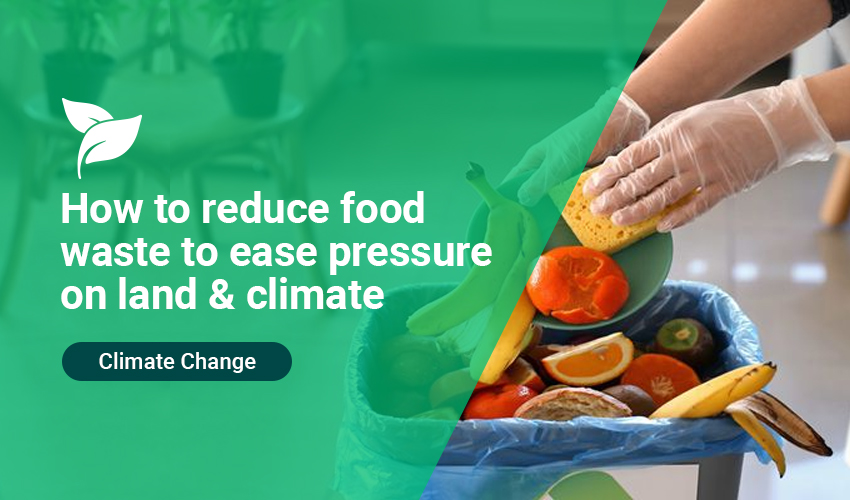
One of the biggest problems in the food system is waste. A huge amount of food is lost or thrown away, even though it’s perfectly good. In poorer countries, food often spoils before reaching markets because of weak transport or storage systems. In wealthier countries, supermarkets and homes throw away food simply because it doesn’t look perfect or wasn’t used in time.
If we could stop this waste, we could reduce the need for food production by up to 20%, meaning less farmland, fewer emissions, and less pressure on ecosystems.
Smarter Farming, Not More Farming
Instead of farming more land, we need to farm smarter:
- Use just the right amount of water and fertiliser.
- Protect soil with crops that cover and feed the land.
- Stop cutting down forests to grow more crops.
- Restore areas that have been damaged.
This is possible. Many countries have already improved how much food they produce per unit of land, without increasing chemical use. If others follow, the environmental benefits would be massive.
The Role of Policy and Business
Governments and companies have a big role to play. They can:
- Redirect farming subsidies to support eco-friendly methods.
- Stop supporting harmful pesticides and chemical-heavy farming.
- Promote local markets and food with lower environmental impact.
- Make it easier for consumers to choose sustainable options through clear labels and better pricing.
Food businesses, in particular, should stop pushing unhealthy and wasteful products—and invest in more sustainable supply chains.
What Can We Do as Individuals?
This may sound like a global problem, and it is. But real change often starts at home. Here are five things anyone can do:
- Eat more plant-based meals each week.
- Buy what you’ll eat and use leftovers creatively.
- Support local farmers and seasonal foods.
- Read labels and avoid products linked to deforestation or poor working conditions.
- Talk about it, in your community, workplace, or school.
These actions may seem small, but if more people adopt them, the results will add up.
A Way Forward That Works for People & Planet
If we continue with “business as usual,” the damage to nature and public health will only grow. But if we make smart, practical changes, like shifting diets, reducing food waste, and improving how we use land, we can feed the world without destroying the Earth.
The solutions exist. What we need now is the will to act.
Let’s choose a food system that works not just for today, but for generations to come.